Goats & Breeding Stock
Hardy, tick-resistant breeds suited to our local climate and grazing — raised for meat, traditional ceremonies and herd-improving genetics.
Our Breeds
Each breed is valued for adaptability, tick resistance, fertility and growth — exactly what's needed for sustainable, low-input farming on natural grassland.
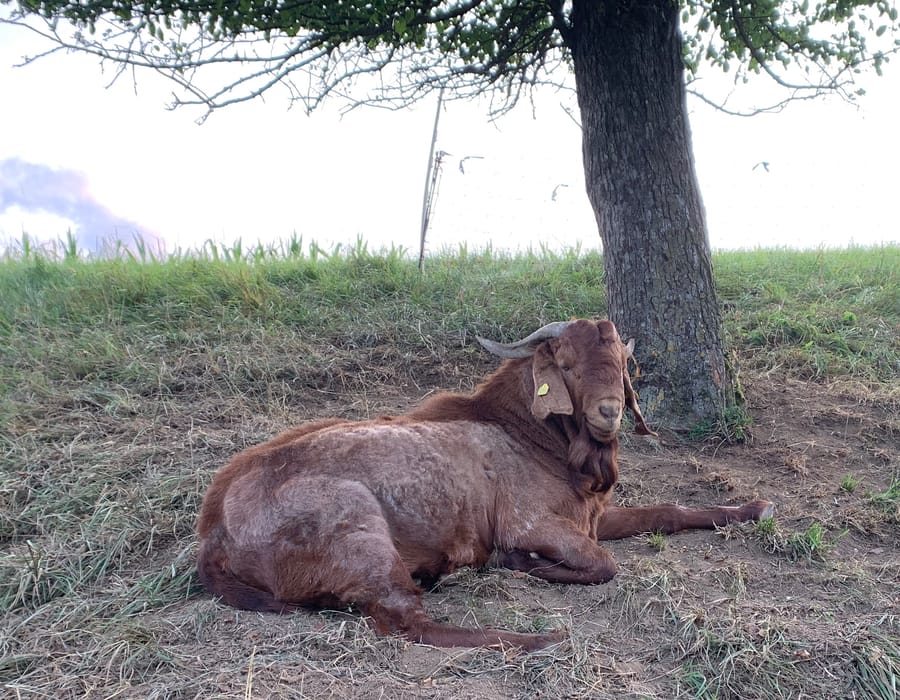
A hardy, fast-growing meat breed known for excellent fertility, mothering ability and strong resistance to ticks and local parasites — well adapted to grazing conditions like ours.
Photo: Lonetal-Ziegen, Wikimedia Commons (CC BY-SA 4.0)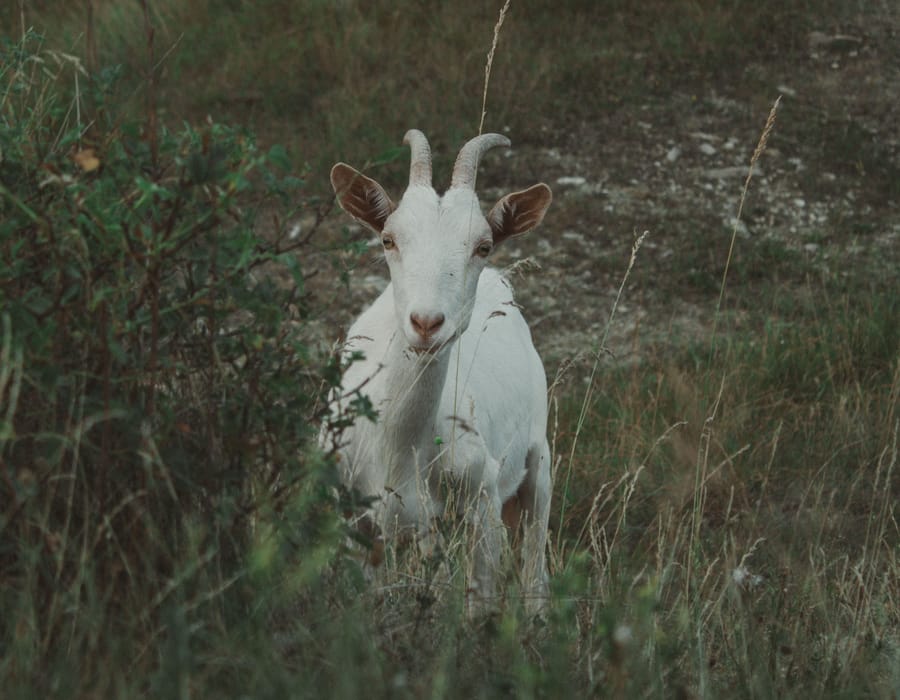
A robust, heat- and tick-tolerant breed prized for its muscling and adaptability, complementing our other genetics in both meat and breeding lines.
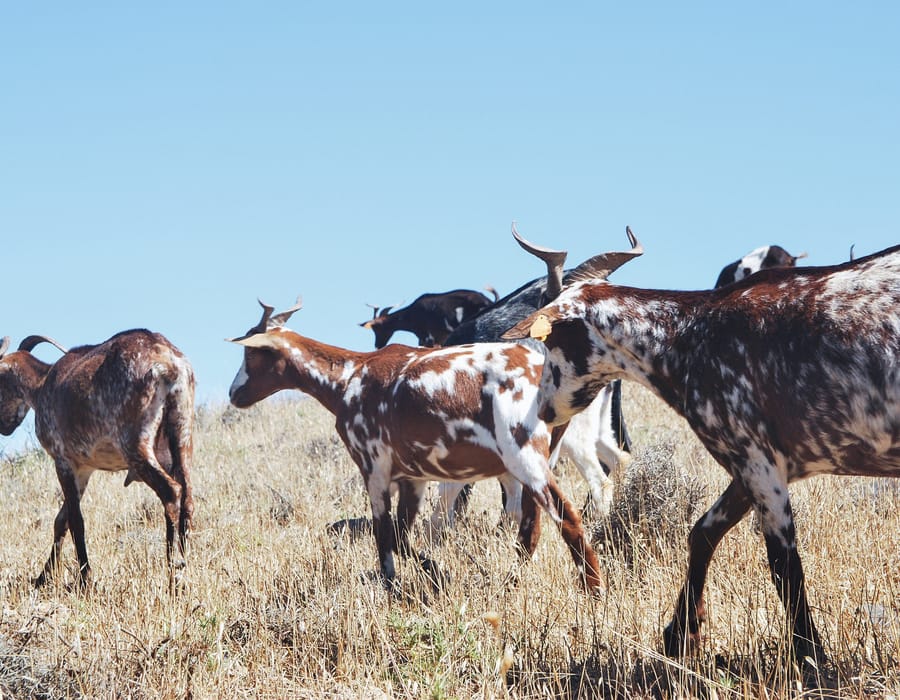
An officially registered South African breed valued for outstanding mothering ability, non-seasonal breeding and a wide range of natural colour patterns — a strong fit alongside our ceremonial-colour focus.
A Genuine Niche
Many traditional ceremonies require a goat of a particular colour — often solid white or solid red. Because the formal market rarely targets this need, animals that meet it sell reliably and at a fair premium. We breed specifically toward these colours, alongside size and hardiness.
The colour most often called for in ceremonial use — bred carefully into our herd for reliable, healthy availability.
Equally in demand for ceremonies and festivals — a hallmark of our Kalahari Red breeding lines.
Every animal's health and vaccination record is shown at the point of sale — colour and condition you can rely on.
Pricing
| Product | Price | Details |
|---|---|---|
| Commercial Meat Goats | R2,500 – R3,500 each | In line with local meat-goat prices — healthy, well-grown animals sold direct from the farm gate. |
| Breeding & Ceremonial Stock | R4,500 – R5,000 each | Proven Kalahari Red, Savanna & Indigenous Veld Goat genetics, selected for the ceremonial colours and hardiness farmers and families want. |
Prices are guide prices and may vary by animal age, condition and colour. Contact us for current availability.
Health & Welfare
The main local threat to our herd is heartwater, a tick-borne disease, so we control ticks through regular dipping or pour-on treatments. Deworming follows the FAMACHA method — treating only the animals that need it, to avoid resistance — and a structured vaccination calendar covers the main diseases at every life stage.
We work closely with state veterinary services in the Ehlanzeni District (Mpumalanga DARDLEA), drawing on their vaccination programmes, local disease information and expert advice. Our goat housing uses raised, slatted floors that drain urine and manure, helping control internal parasites and prevent hoof rot — and our galvanised Veldspan fencing protects the herd from predators and theft while supporting rotational grazing.
| Life Stage | Protection |
|---|---|
| Kids (4–6 weeks) | Pasteurellosis, with a booster four weeks later |
| Pre-weaning (2–5 months) | Pulpy kidney, black quarter & botulism |
| Ewes, before breeding | Enzootic abortion — protecting pregnancies |
| Ewes, before kidding | Mastitis & tetanus — protecting newborn kids |
| Whole adult herd | Annual boosters ahead of seasonal change |
How to Buy
Reach out in person, by phone or via Facebook to ask about availability and colour.
Choose a healthy animal of the colour and size you need, right at the farm.
We show the animal's health and vaccination record before you commit.
Payment and collection happen at the farm gate — no transport or abattoir fees.
Ready to Find Your Goat?